
Healthcare
The Rising Role of Physical Rehabilitation in Modern Healthcare Recovery
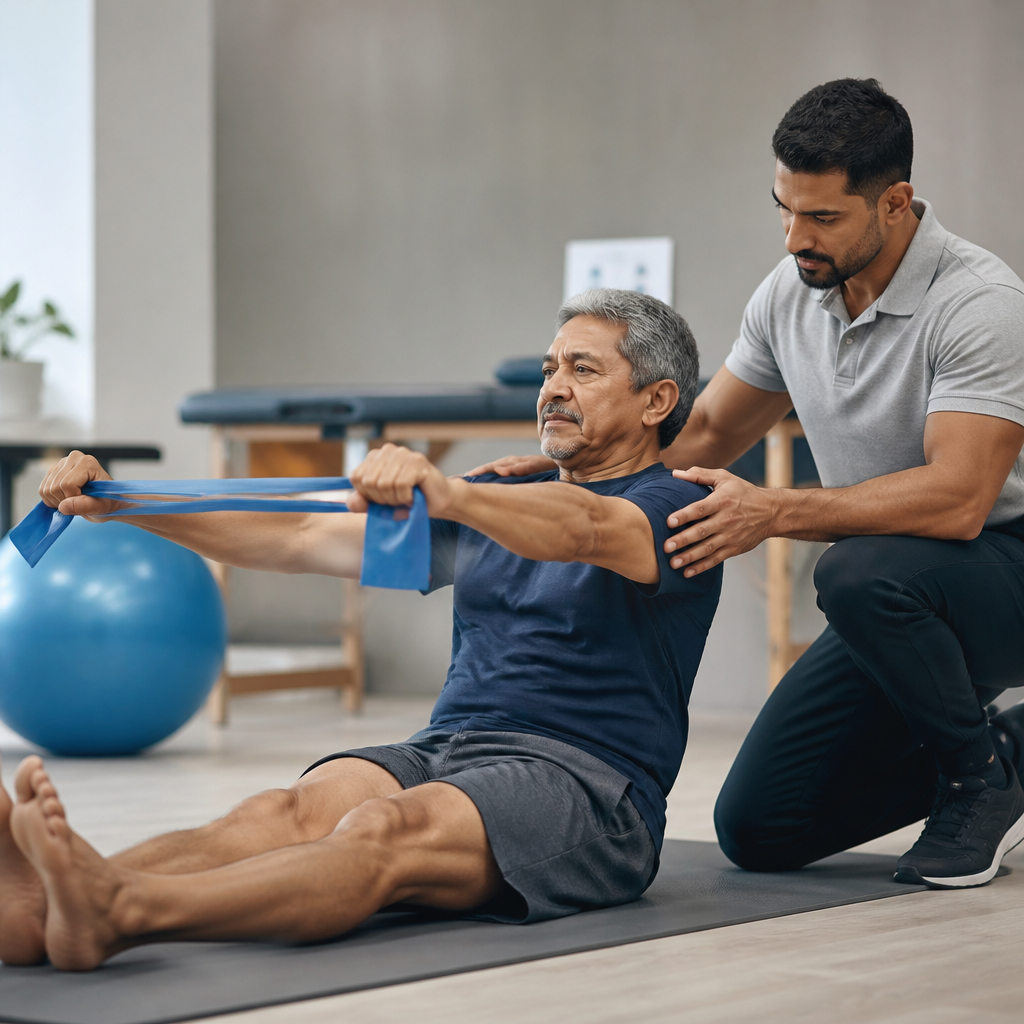
Physical rehabilitation has moved from the margins of healthcare to its center. What was once considered an optional add-on following surgery or injury now stands as a critical component of comprehensive medical treatment. In the UAE and particularly in Abu Dhabi, this shift reflects a broader understanding that recovery extends far beyond the operating room or hospital bed.
The transformation is visible across medical specialties. Cardiac patients who once faced months of cautious inactivity now begin supervised movement within days of procedures. Stroke survivors access intensive therapy programs that rewire neural pathways through repetition and targeted exercise. Cancer patients undergoing treatment maintain strength and function through carefully calibrated physical programs that address the specific demands of their therapies.
Why Physical Therapy Became Essential
The evidence base has grown substantially over the past two decades. Research consistently demonstrates that early mobilization reduces hospital stays, lowers complication rates, and improves long-term outcomes across virtually every medical condition. Patients who remain sedentary during recovery face muscle atrophy, joint stiffness, decreased cardiovascular capacity, and higher rates of blood clots and pneumonia.
The economic case has proven equally compelling. Rehabilitation that prevents secondary complications, reduces readmissions, and returns patients to functional independence faster delivers measurable cost savings to healthcare systems. This has driven integration of physical therapy into standard care protocols rather than treating it as an afterthought.
Modern medicine has also produced more patients who need rehabilitation. Advances in trauma care, cancer treatment, and surgical techniques mean people survive conditions that would have been fatal a generation ago. These survivors often face complex recovery paths requiring specialized rehabilitation expertise. The question is no longer whether patients will live, but how well they will live afterward.
What Comprehensive Rehabilitation Actually Involves
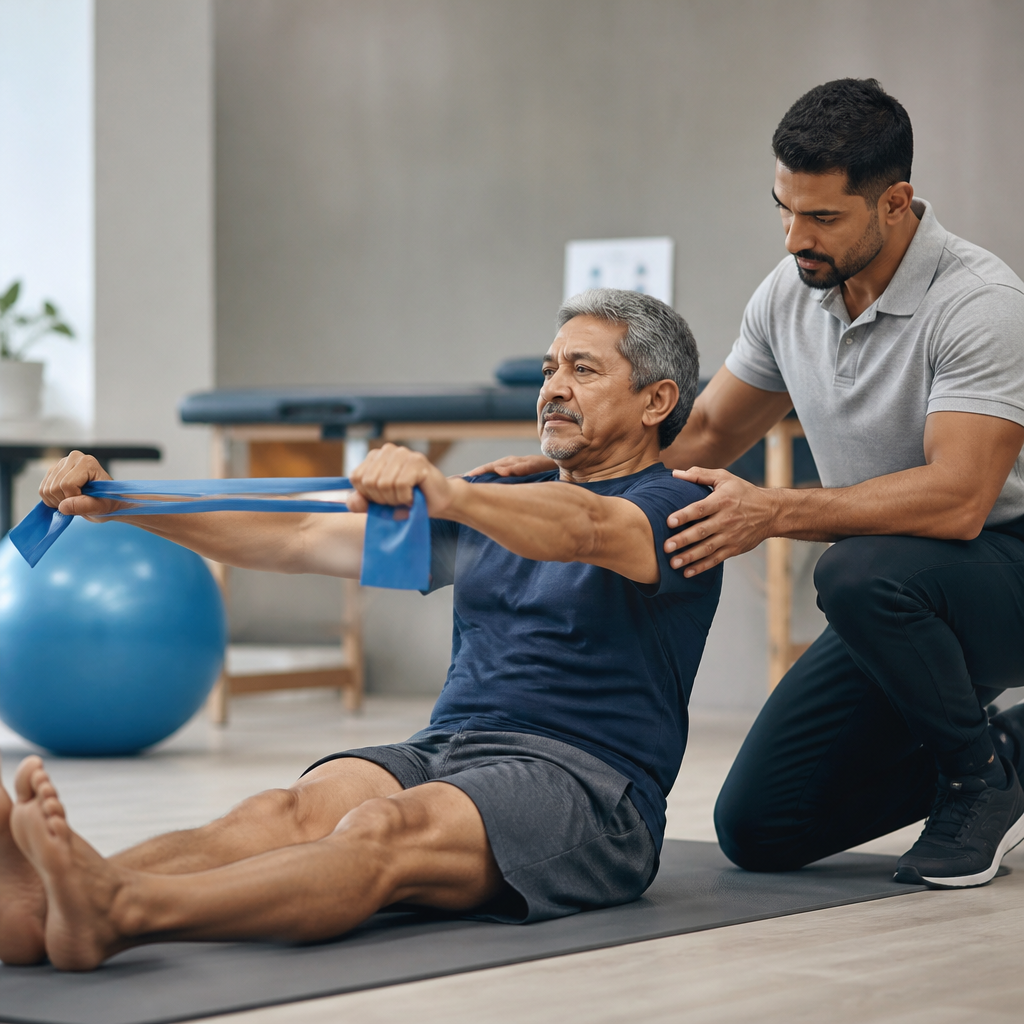
Physical therapy units in major medical centers now resemble specialized training facilities rather than treatment rooms. Equipment ranges from simple resistance bands to robotic exoskeletons that support weight-bearing movement in patients relearning to walk. Hydrotherapy pools allow movement without full gravity load. Balance platforms with biofeedback systems help neurological patients retrain coordination.
The scope of rehabilitation has expanded beyond orthopedic and neurological conditions. Pulmonary rehabilitation helps chronic lung disease patients maximize breathing efficiency and exercise tolerance. Cardiac rehabilitation combines monitored exercise with education about risk factors and lifestyle modifications. Pelvic floor therapy addresses conditions that were rarely discussed openly until recently but affect quality of life substantially.
Treatment plans are increasingly individualized. A physical therapist treating two patients with the same diagnosis might design completely different programs based on age, baseline fitness, occupation, home environment, and personal goals. An office worker recovering from a back injury needs different functional outcomes than a construction worker with the same injury.
Rehabilitation Resources in Abu Dhabi
Abu Dhabi has developed substantial rehabilitation capacity over the past decade as part of its healthcare infrastructure expansion. Major medical institutions offer dedicated physical therapy units staffed by internationally trained specialists. These facilities serve both residents and the growing number of international patients who travel to the UAE for medical treatment.
Cleveland Clinic Abu Dhabi provides integrated rehabilitation services across its range of specialties, with physical therapy embedded into treatment pathways for cardiac, neurological, orthopedic, and oncology patients. The abu dhabi center for care and rehabilitation operates as part of the hospital's multispecialty approach, ensuring that rehabilitation specialists collaborate directly with surgical teams, physicians, and other care providers throughout the recovery process.
The integration matters because rehabilitation is most effective when it starts early and aligns closely with medical treatment. A therapist who participates in preoperative planning can prepare a patient for what movement will feel like after surgery and begin baseline assessments. Immediate postoperative involvement means mobilization can begin safely within hours or days rather than weeks.
The Patient Experience of Recovery
Recovery through rehabilitation is rarely linear. Patients often experience plateaus where progress seems to stall, followed by breakthroughs that restore confidence. Pain during therapy sessions is common and expected, but distinguishing between productive discomfort and harmful pain requires expertise. This is where the relationship between patient and therapist becomes crucial.
Motivation fluctuates over the weeks and months of a rehabilitation program. The initial relief of surviving a medical crisis gives way to the grinding work of retraining the body. Patients who maintained active lifestyles before injury or illness often struggle with the slow pace of recovery. Those who were sedentary may find the demands overwhelming. Skilled therapists adjust not just the physical program but the psychological approach to match where a patient is mentally.
Home programs extend the work beyond therapy sessions. Compliance with prescribed exercises done independently determines outcomes as much as the supervised sessions. Yet research shows adherence rates typically fall below fifty percent for home exercise programs. Effective rehabilitation therefore includes education about why each exercise matters and how it connects to functional goals that patients care about personally.
System Gaps and Patient Realities
Access to quality rehabilitation remains uneven globally. Healthcare system failures often manifest in inadequate rehabilitation coverage, with insurance plans limiting the number of therapy sessions regardless of clinical need. Patients discharged from hospital care may find themselves unable to access the ongoing rehabilitation that determines whether recovery succeeds.
Geography creates additional barriers. Patients in remote areas may have no local access to specialized therapists. Even in urban centers, transportation to frequent therapy appointments poses challenges for people with mobility limitations. Telehealth has expanded reach for some types of therapy guidance, but many rehabilitation interventions require hands-on assessment and manual techniques that cannot be delivered remotely.
Cultural factors also influence rehabilitation outcomes. Family involvement varies across cultures, affecting the support system available for home exercise programs. Attitudes toward pain, disability, and recovery shape how patients engage with therapy. Some cultures emphasize stoic endurance over reporting discomfort, making pain assessment more difficult. Others involve extended family in medical decisions in ways that Western-trained therapists may not anticipate.
The Future of Rehabilitation Medicine
Technology continues to reshape rehabilitation capabilities. Virtual reality systems now allow stroke patients to practice activities of daily living in simulated environments that adjust difficulty in real time. Wearable sensors track movement patterns outside the clinic, giving therapists objective data about how patients move during normal activities. Electrical stimulation devices can activate paralyzed muscles, preventing atrophy while neural pathways potentially regenerate.
Precision medicine approaches are entering rehabilitation. Genetic markers may eventually predict which patients will respond best to specific therapy protocols. Biomarkers could identify when inflammation is interfering with tissue healing, guiding decisions about exercise intensity. These advances promise more targeted, effective rehabilitation, though they also raise questions about equity of access to sophisticated interventions.
The integration of rehabilitation into acute care will likely deepen. Some medical centers now have therapists participating in intensive care rounds, beginning mobility programs with ventilated patients who once would have remained completely immobile. This aggressive early approach shows promise in reducing the severe deconditioning that makes recovery difficult even after the acute illness resolves.
Making Rehabilitation Work
Successful rehabilitation requires realistic expectations and consistent effort. Recovery timelines measured in months, not weeks, are normal for major injuries or surgeries. Progress happens incrementally, with good days and difficult days throughout the process. Patients who understand this from the beginning cope better with the inevitable frustrations.
Communication with the rehabilitation team should be specific and honest. Reporting which activities cause pain, what functional limitations matter most in daily life, and what barriers exist to following the home program allows therapists to adjust the plan effectively. The goal is not to impress the therapist with perfect compliance but to achieve actual functional improvement.
For those exploring health and wellness options, understanding the central role of rehabilitation in recovery from illness and injury provides essential context. Modern medical care increasingly recognizes that the technical success of a procedure or treatment represents only the beginning of the recovery journey. What happens in the weeks and months afterward, in rehabilitation settings where patients relearn movement and rebuild capacity, often determines the ultimate outcome more than the initial medical intervention itself.