
Tech
The Rise of Digital Payments: How Fintech Is Reshaping Global Commerce
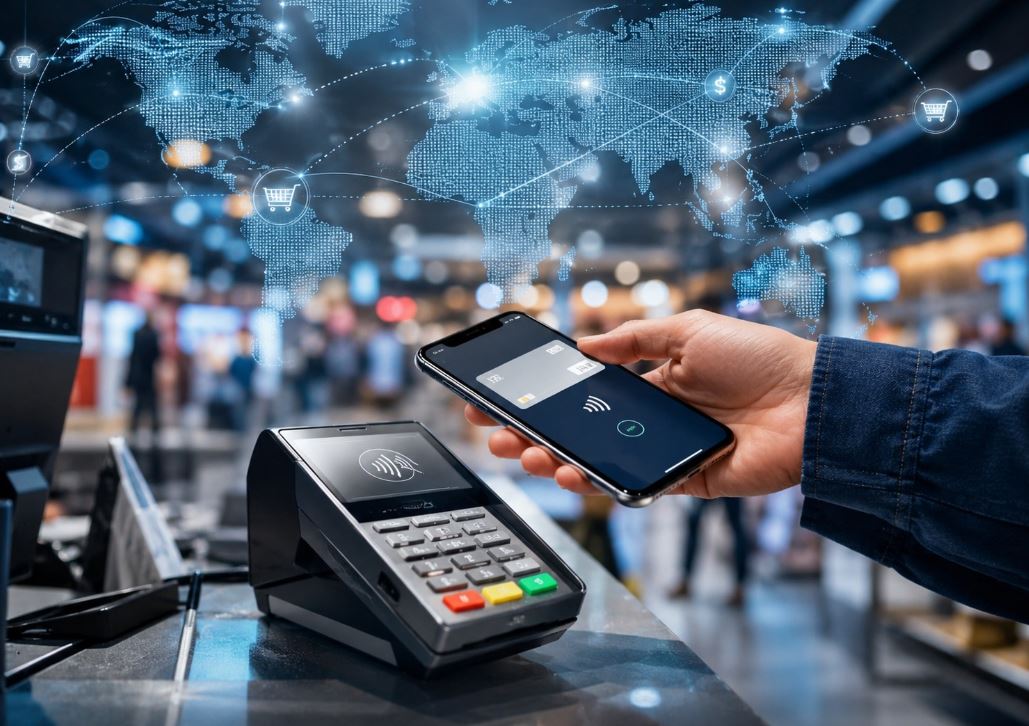
San Diego, CA / 500NewsWire / September 1, 2026 / Cash is quietly losing its place in everyday life. From street vendors in Nairobi to coffee shops in New York, tapping a phone or scanning a code has become the new normal. This shift isn't just about convenience — it's a full-scale transformation of how money moves around the world, and fintech companies are the ones driving it.
Why Digital Payments Are Growing So Fast
A few years ago, digital payments were mostly a backup option. Today, they're often the first choice. Smartphones put a bank branch in everyone's pocket, and fintech startups have taken advantage of that by building apps that are faster, simpler, and more accessible than traditional banking ever was.
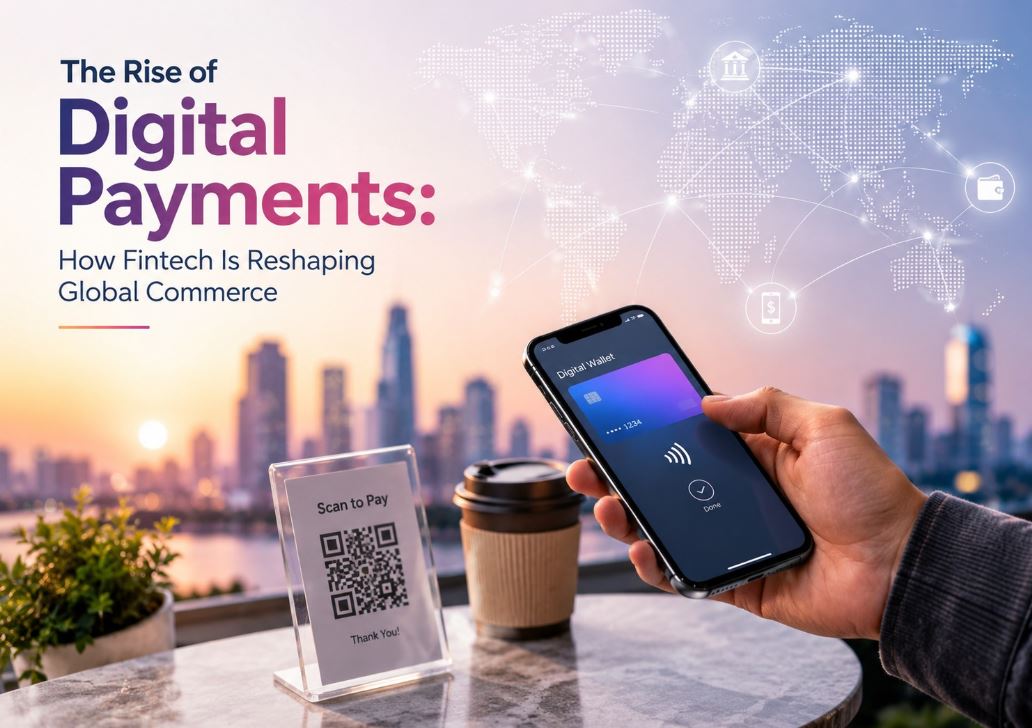
Part of the appeal is speed. A payment that once took days to clear can now settle in seconds. Part of it is trust — younger generations, especially, feel more comfortable managing money through an app than standing in line at a bank. And part of it is necessity. In many developing regions, people never had easy access to traditional banks in the first place, so mobile payment platforms became their entry point into the financial system altogether.
The Businesses Behind the Boom
Behind every tap-to-pay transaction is a web of fintech companies working to make digital money feel effortless. Payment processors, digital wallet providers, and neobanks are competing to build the smoothest possible experience, often bundling payments with budgeting tools, savings features, or short-term credit options.
This competition has pushed innovation forward quickly. QR code payments, biometric login, and instant peer-to-peer transfers were niche ideas not long ago. Now they're expected features. Even small businesses that once relied only on cash are adopting digital payment tools, partly because customers expect it and partly because it simplifies bookkeeping and reduces the risks that come with handling physical money.
What This Means for Everyday People
For consumers, the biggest change is control. Digital payment apps often show spending in real time, break down where money is going, and make transferring funds to friends or family almost instant. That kind of visibility didn't exist with paper statements that arrived weeks later.
For people without easy access to traditional banking, digital payments can be even more significant. A simple smartphone app can now offer someone their first real chance to save money, receive payments for work, or build a financial history — something that used to require paperwork, credit checks, and a nearby bank branch.
The Road Ahead
None of this means cash is disappearing overnight. Many people still prefer it, and some regions move slower toward digital adoption than others. But the direction is clear. Governments are exploring digital currencies, banks are partnering with fintech firms instead of competing with them, and payment technology keeps getting faster and more secure.
What started as a convenience is turning into infrastructure — the invisible system quietly running in the background of daily life. Every grocery run, subscription payment, or online order adds another small piece to a much bigger shift in how the world handles money.
Digital payments aren't just changing how we pay. They're changing who gets to participate in the economy at all, and that's a much bigger story than a phone tap at checkout.