
Business
The Growing Popularity of Fitness and Recreational Sports
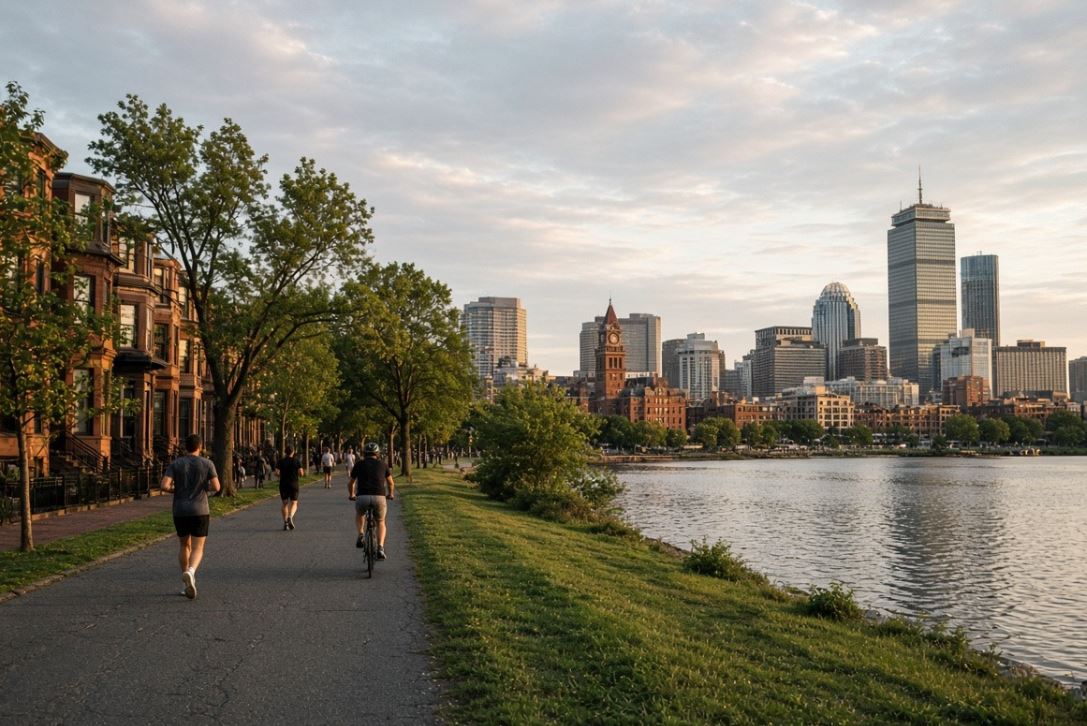
Boston, MA / 500NewsWire / September 1, 2026 / Fitness and recreational sports are becoming an increasingly visible part of everyday life as more people look for enjoyable ways to stay active. From community basketball and soccer to cycling, running, swimming, hiking and group fitness classes, recreational activities are attracting people of different ages and experience levels.
The change is also influencing how people think about exercise. Instead of viewing physical activity only as a structured workout, many are choosing sports that combine movement, social interaction and entertainment. This shift is creating new opportunities for local clubs, community organizations, fitness centers and sporting facilities.
People Are Choosing Exercise That Feels Enjoyable
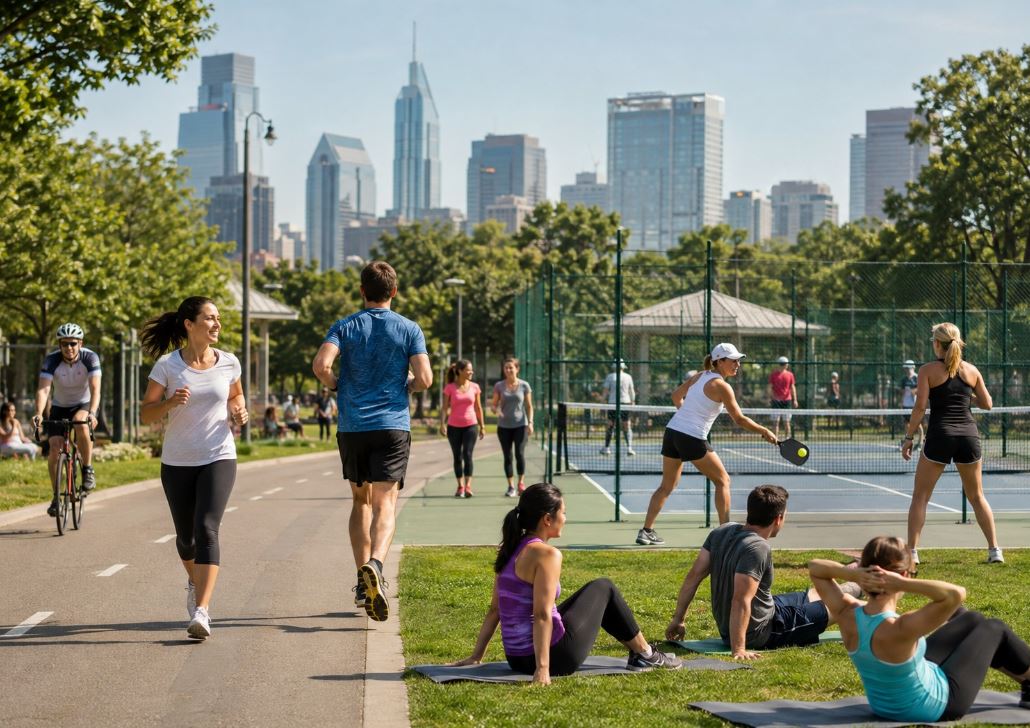
One of the biggest reasons behind the popularity of recreational sports is the desire to make exercise more enjoyable. Traditional gym workouts may not appeal to everyone, while activities such as tennis, pickleball, cycling or recreational soccer can provide a more engaging experience.
Sports also give participants a clear activity to focus on. Whether someone is playing a casual weekend game or joining a local running group, the social and competitive elements can make regular participation easier to maintain.
Recreational Sports Bring Communities Together
The growth of recreational sports is also having an impact beyond individual fitness. Local sports programs can create opportunities for people to meet neighbors, make friends and participate in community events.
Community leagues and recreational clubs are particularly attractive because they can welcome beginners without requiring the same level of commitment found in professional or competitive sports. Families can participate together, while adults can find activities that fit around work and other responsibilities.
This community aspect is helping recreational sports become more than a way to exercise. In many areas, they are becoming part of the local social calendar.
Technology Is Changing How People Stay Active
Technology is another factor influencing modern fitness and recreational sports. Fitness watches, smartphone applications and online training platforms allow people to monitor activity, track progress and discover new ways to exercise.
Social platforms have also made it easier for people to find local activities and share their experiences. A person interested in running, cycling or a particular sport can often find online communities, local groups and events that match their interests.
At the same time, technology is making sports more accessible to people who want guidance without joining a traditional fitness program.
A Wider Range of Activities Is Emerging
The recreational sports landscape is becoming more diverse. Alongside established activities such as basketball, football, swimming and running, newer and fast-growing recreational options are attracting participants.
Pickleball, padel, indoor climbing, obstacle-course events and recreational cycling are examples of activities that combine fitness with social interaction. Their flexible formats can appeal to people who want to remain active without following a conventional gym routine.
What the Trend Could Mean for the Future
The continued interest in fitness and recreational sports could encourage more investment in public parks, community facilities, sports courts and local programs. It may also create opportunities for organizations to develop activities designed for beginners, older adults and families.
The broader trend suggests that fitness is increasingly being connected with enjoyment, community and lifestyle. As people search for activities they can maintain over the long term, recreational sports are positioned to remain an important part of the changing fitness landscape.
For many participants, the goal is simple: stay active, have fun and find a sport that fits naturally into everyday life.