
Energy
Next-Generation Grid Flexibility Markets Are Reshaping Commercial Energy Management
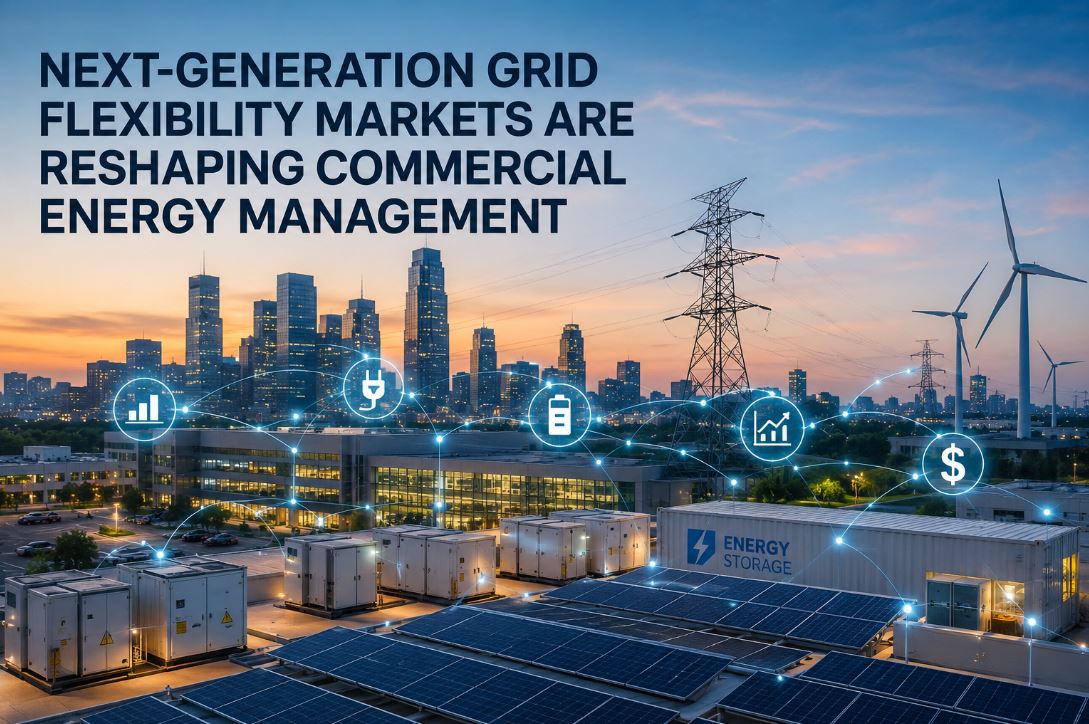
Charlotte, North Carolina / 500NewsWire / July 16, 2026 / The global energy sector is entering a new phase where electricity is no longer managed through a one-way supply model. Instead, businesses are becoming active participants in maintaining grid stability while creating new financial opportunities. This shift is being driven by the emergence of next-generation grid flexibility markets, a rapidly evolving approach that rewards commercial energy users for adjusting their electricity consumption based on real-time demand.
As renewable energy sources continue to expand and electricity demand becomes more dynamic, grid operators are looking beyond traditional power generation to balance supply and demand. Commercial buildings, factories, data centers, warehouses, and retail facilities are now playing a more important role in keeping energy systems reliable.
A New Role for Commercial Energy Consumers
For many years, businesses simply purchased electricity whenever it was needed. Today, advanced technology is changing that relationship. Modern energy management systems can monitor electricity prices, weather conditions, renewable energy output, and overall grid demand in real time.
When the grid experiences heavy demand, participating businesses can temporarily reduce non-essential electricity usage or shift energy-intensive operations to another time. In return, they may receive financial incentives from utilities or energy market operators.
This new model transforms energy from a fixed operating expense into a strategic business asset that can generate measurable value.
Intelligent Automation Is Driving Faster Decisions
Artificial intelligence and smart building technologies are making participation in flexibility markets much easier than in the past.
Instead of relying on facility managers to manually reduce energy use, intelligent software can automatically optimize heating, cooling, lighting, industrial equipment, battery storage, and electric vehicle charging without disrupting daily operations.
These systems continuously analyze thousands of data points to determine the most efficient response whenever grid conditions change. Businesses gain greater visibility into their energy consumption while reducing unnecessary waste.
As automation improves, even medium-sized companies are finding it practical to participate in programs that were once limited to large industrial facilities.
Renewable Energy Is Creating Greater Demand for Flexibility
The rapid growth of solar and wind energy has increased the need for flexible electricity consumption.
Renewable power generation naturally changes throughout the day depending on sunlight and weather conditions. Instead of building expensive backup power plants, many grid operators are encouraging consumers to adjust their energy usage to match renewable generation.
For example, manufacturers may schedule certain production processes during periods of high solar output, while office buildings may pre-cool facilities before peak electricity demand begins.
This coordinated approach improves overall grid reliability while allowing renewable energy to be used more efficiently.
Businesses Are Discovering New Revenue Opportunities
Grid flexibility is becoming more than an energy-saving strategy. For many organizations, it is creating an entirely new source of income.
Companies with battery storage systems, backup generators, or flexible production schedules can offer their available capacity to energy markets. During periods of high demand, they receive compensation for reducing consumption or supplying stored electricity back to the grid.
Financial officers increasingly view these programs as an opportunity to improve operational efficiency while supporting long-term sustainability goals.
As electricity markets become more sophisticated, participation is expected to expand across commercial real estate, healthcare facilities, universities, logistics centers, and manufacturing operations.
Digital Energy Platforms Are Simplifying Participation
Cloud-based energy management platforms are removing many of the technical barriers that once prevented businesses from joining flexibility programs.
These platforms automatically collect energy data, predict future demand, monitor market prices, and recommend the most profitable operating strategy. Integration with smart meters, battery systems, and building automation enables rapid decision-making with minimal human intervention.
This digital transformation is making flexibility markets accessible to organizations of all sizes rather than only large energy-intensive industries.
The Future of Commercial Energy Management
Next-generation grid flexibility markets are redefining how businesses interact with the electricity system. Instead of being passive consumers, organizations are becoming active contributors to a smarter, more resilient energy network.
As artificial intelligence, digital infrastructure, and renewable energy continue to evolve, flexible energy management is expected to become a standard business practice rather than an optional sustainability initiative. Companies that invest early in intelligent energy systems will likely improve operational efficiency, reduce energy costs, strengthen environmental performance, and unlock new revenue opportunities in an increasingly connected energy economy.
The growing evolution of grid flexibility demonstrates that the future of commercial energy management is no longer centered solely on consuming electricity—it is about using energy intelligently, responding dynamically, and creating value while supporting a more sustainable power system.