
Energy
New Energy Management System Reduces Operational Costs for Businesses
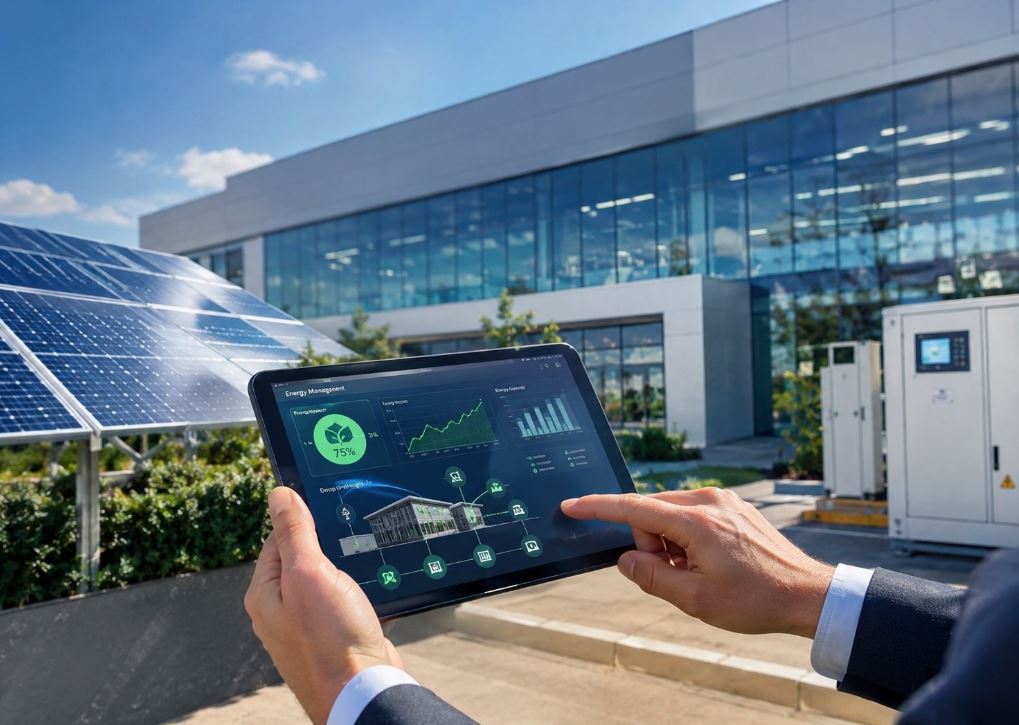
Dallas Texas / 500NewsWire / August 26, 2026 / Companies across industries are turning to smart energy management systems to cut their electricity bills without cutting corners. As energy prices continue to swing unpredictably, more businesses are discovering that the biggest savings often come not from switching suppliers, but from simply using power more wisely. A new wave of energy management technology is making that possible, and it's reshaping how everyday businesses handle one of their largest recurring expenses.
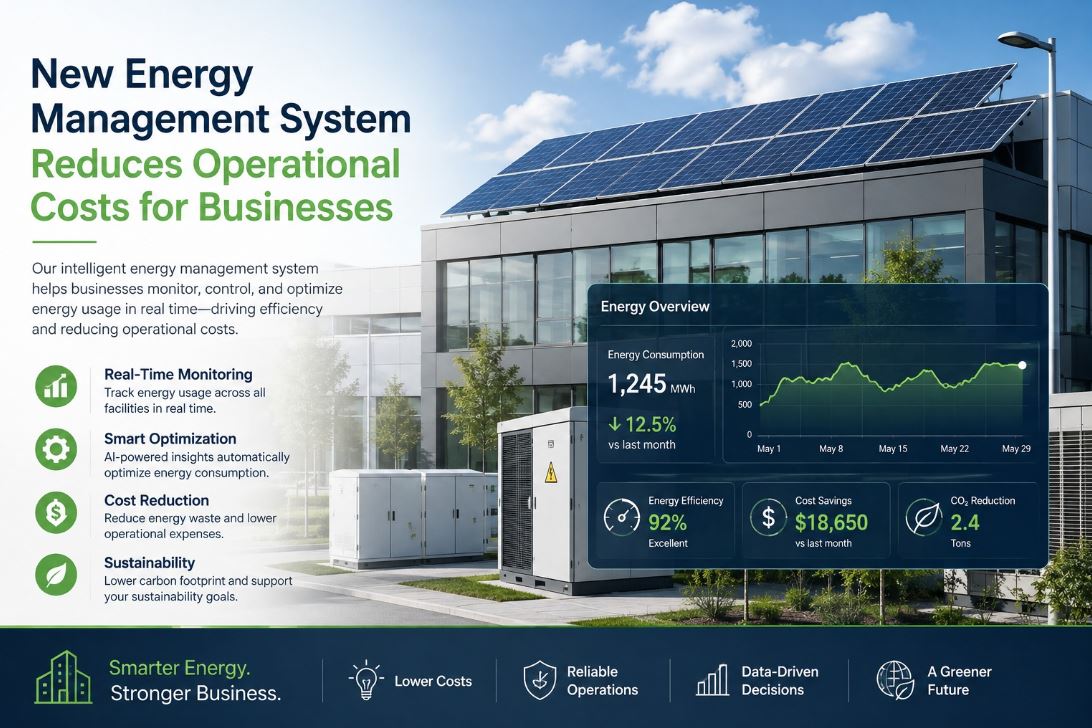
What Is an Energy Management System, Really?
At its core, an energy management system is software connected to a building's electrical setup that tracks how much power is being used, where, and when. Think of it as a fitness tracker, but for a building instead of a person. It monitors lighting, heating, cooling, and equipment in real time, then flags waste that would otherwise go unnoticed. A conference room light left on overnight, an HVAC system running full blast in an empty warehouse, or a walk-in freezer cycling more than it needs to are the kinds of small leaks that add up to big costs over a year.
Why This Matters Right Now
Energy costs have become one of the least predictable line items on a company's budget. Unlike rent or payroll, electricity bills can spike due to weather, demand surges, or grid instability, often with little warning. Businesses that once treated energy as a fixed cost are now realizing it's something they can actively manage. This shift matters because even a modest reduction in energy waste can free up cash that companies can reinvest in staff, equipment, or growth, rather than losing it to an inflated utility bill.
How Businesses Are Actually Using It
The appeal of these systems isn't just the technology itself, but how simple they are to act on. Instead of requiring an engineer to interpret complex data, modern platforms translate usage patterns into plain, actionable alerts. A restaurant owner might get a notification that their walk-in cooler is running inefficiently before it breaks down and spoils inventory. A retail chain might learn that stores in one region are using noticeably more energy than similar stores elsewhere, pointing to a fixable issue rather than an unavoidable cost. This kind of visibility turns energy from a mystery expense into something a business can actually plan around.
The Bigger Picture for Everyday Businesses
What makes this trend newsworthy isn't a single company's success story, it's how accessible this technology has become for businesses of every size. Energy management was once considered a luxury reserved for large corporations with dedicated sustainability teams. Now, small and mid-sized businesses, from local grocery stores to regional offices, are adopting similar tools because the systems have gotten simpler, cheaper, and easier to install. This democratization means the benefits, lower bills, fewer equipment breakdowns, and a smaller environmental footprint, are no longer out of reach for smaller players.
What This Means Going Forward
As energy prices remain a moving target, expect more businesses to treat energy management the way they already treat cybersecurity or payroll software, as a standard operational tool rather than an optional upgrade. The companies adopting these systems today aren't just cutting costs, they're building a habit of paying closer attention to resources that used to be taken for granted. For business owners feeling the pinch of rising utility bills, that shift in mindset, paired with the right technology, may be one of the most practical cost-saving moves available right now.