
Automotive
Hydrogen Fuel Cell vs. Battery Electric: Which Technology Will Win the Race to Zero Emissions?
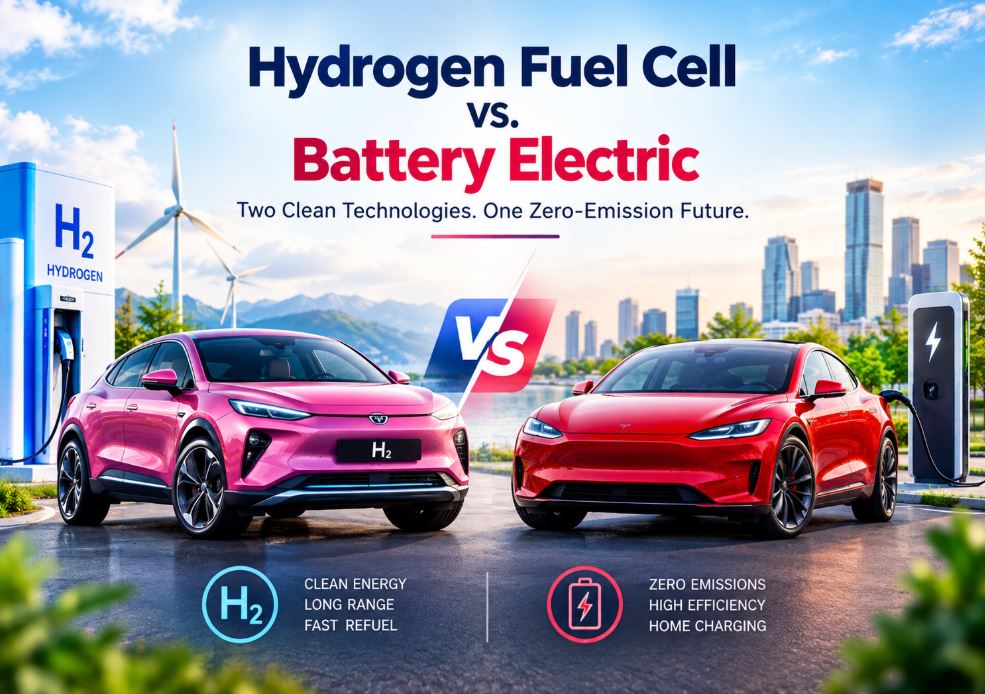
New York, NY / 500NewsWire / September 14, 2026 / The car industry has picked a side for years, and that side has mostly been batteries. But hydrogen isn't out of the race. In fact, it's picking up fresh momentum in 2026, especially in places batteries still struggle to reach. So which one actually wins the fight for a zero-emission future? The honest answer is: it depends on what you're driving and how far you're going.
Two Different Ways to Reach the Same Goal
Both technologies do the same basic job. They power an electric motor without burning fossil fuel. The difference is how they store their energy.
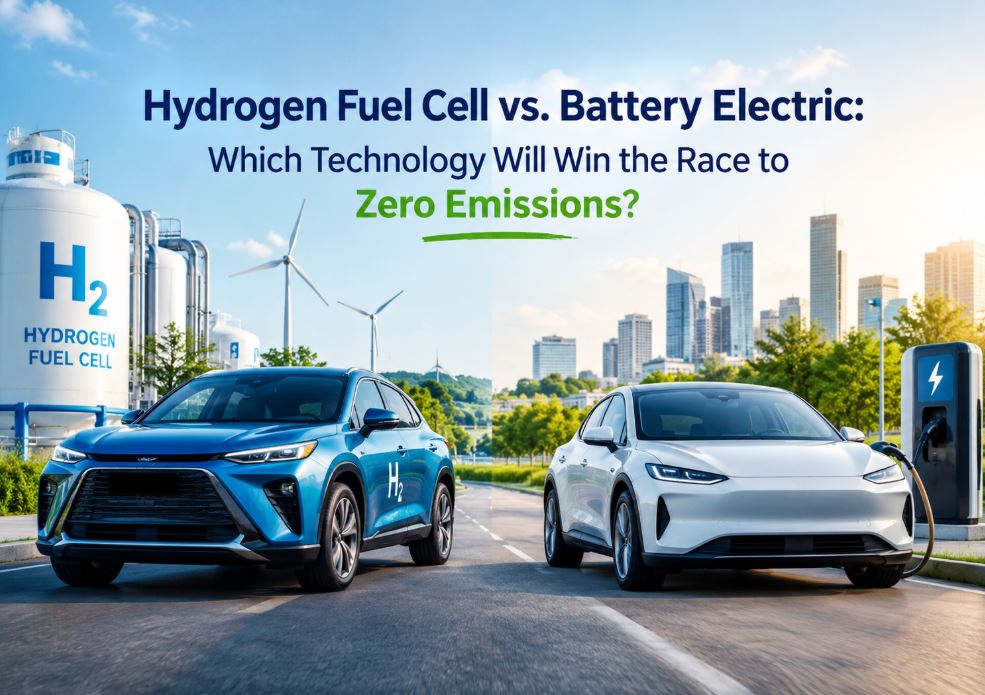
A battery electric vehicle (BEV) charges up and stores electricity directly in a large battery pack. A hydrogen fuel cell vehicle (FCEV) is also an electric vehicle underneath, but instead of a big battery, it carries hydrogen gas. That hydrogen combines with oxygen inside a fuel cell to generate electricity on the move, with water vapor as the only tailpipe output.
Neither is "cleaner" in a simple sense. Both are electric. The real differences show up in daily use.
Where Batteries Are Winning Right Now
For everyday passenger cars, BEVs have pulled far ahead. Charging networks are everywhere, home charging is simple, and battery costs have dropped for years, making BEVs cheaper to build and buy. Most drivers don't need fast refueling because they charge overnight anyway.
Where Hydrogen Still Has an Edge
Hydrogen's strongest case isn't the family car. It's heavy-duty and long-distance transport. Refueling a hydrogen vehicle typically takes just a few minutes, similar to filling a diesel tank, compared with much longer charging stops for large batteries. That matters a lot for trucking fleets, buses, and vehicles that can't afford to sit idle for hours.
This is exactly why automakers like Toyota, Hyundai, and Honda keep investing in hydrogen even as BEVs dominate headlines. Automotive industry leaders at this year's International Transport Forum in Germany even called on governments to build out infrastructure for both technologies rather than pick a single winner.
The Trucking Reality Check
2026 has also been a reality check for hydrogen trucking. Two prominent hydrogen truck companies, Nikola and Hyzon, shut down within months of each other in early 2025, a reminder that hydrogen infrastructure and costs still have a long way to go before wide adoption in road freight.
So, Who Actually Wins?
Probably nobody, at least not outright. The more likely outcome is a split market:
- Passenger cars and short trips → batteries stay in the lead
- Long-haul trucking, buses, and heavy machinery → hydrogen keeps a real shot, especially where fast refueling and range matter more than cost
- Everything in between → depends on local infrastructure, hydrogen prices, and government support
Total cost of ownership studies covering the years through 2060 suggest hydrogen could eventually become cost-competitive with batteries and diesel in some vehicle segments, but that shift depends heavily on hydrogen prices and carbon policy actually moving in its favor.
The Bottom Line
This isn't really a battle with one winner. It's a technology split by job description. Batteries have already won the daily commute. Hydrogen is still fighting for the open road, the heavy load, and the long haul, and 2026 is shaping up to be a make-or-break year for proving it can get there.