
Culture
How Venice Was Built on Water: The Engineering Marvel Beneath the Floating City
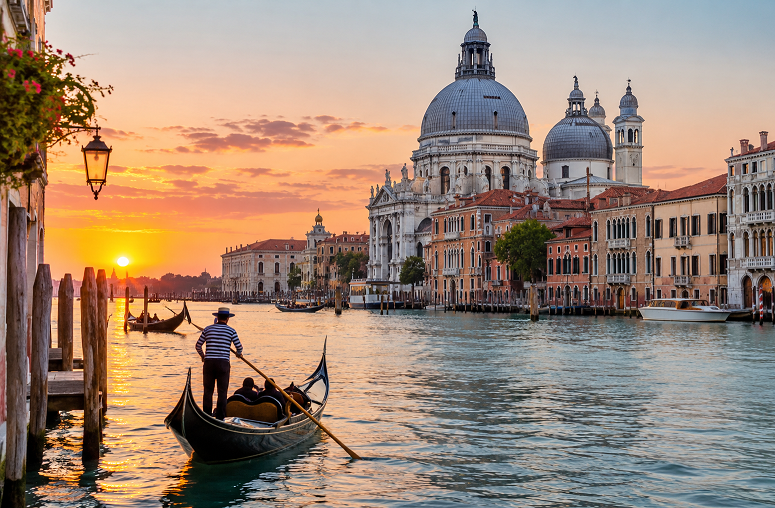
Venice, Italy / 500NewsWire / September 11, 2026 / Few cities in the world appear as closely connected to water as Venice. With historic buildings rising beside canals and boats replacing cars on many of its waterways, the Italian city has become a global symbol of architecture, history and human ingenuity.
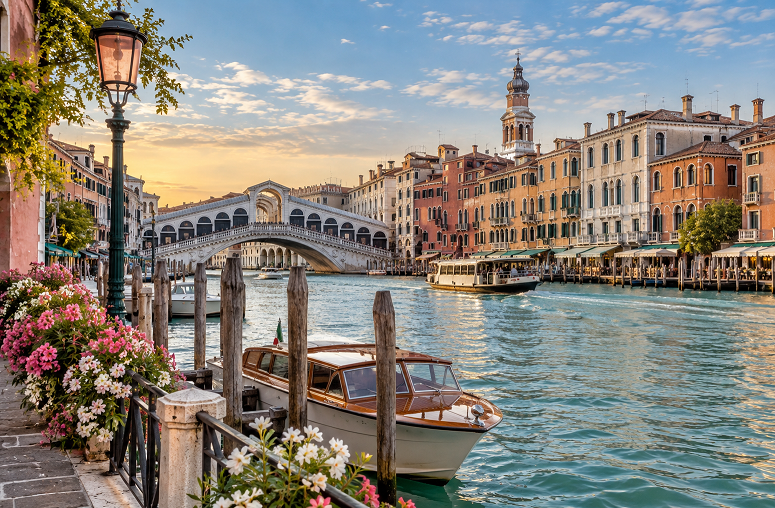
But behind Venice's beauty lies an extraordinary engineering story.
The city was developed across a lagoon containing numerous islands and areas of soft, waterlogged ground. Building substantial structures in such an environment presented an enormous challenge for engineers and builders centuries before modern construction equipment existed.
Their solution helped create one of the world's most recognizable cities.
The Hidden Foundation Beneath Venice
One of the most fascinating features of historic Venice is largely invisible to visitors: its foundations.
Traditional Venetian construction used wooden piles driven deep into the soft ground. These piles were placed closely together and supported layers of stone and other structural materials above them.
The system allowed the weight of buildings to be transferred through the foundation into more stable layers beneath the lagoon sediments.
Rather than simply placing buildings on the surface of the water, Venetian builders created a carefully engineered foundation system beneath the city.
Why Ancient Wooden Foundations Survived
At first glance, using wood for the foundations of massive stone buildings might seem surprising.
Normally, prolonged exposure to moisture can cause wood to deteriorate. However, wooden piles buried beneath waterlogged sediment can remain in conditions with very little oxygen. This environment can significantly slow the biological processes responsible for ordinary wood decay.
Over generations, sediment and minerals also became part of the foundation environment.
The result is one of the most remarkable examples of long-lasting traditional construction.
Engineering Around the Lagoon
Venice's builders had to understand more than foundations. They also had to design an entire urban environment around water.
Instead of relying on conventional roads, the city developed an interconnected system of canals and pedestrian routes. Water became a major transportation network, allowing people and goods to move between different parts of the city.
The Grand Canal became the principal waterway through Venice, while smaller canals connected neighborhoods and provided access to individual buildings.
Bridges were constructed to reconnect areas separated by waterways, creating a unique urban landscape in which land and water exist side by side.
Architecture Built on Innovation
Venice eventually became known for its extraordinary palaces, churches and public buildings. Its architectural heritage reflects centuries of political, commercial and cultural development.
Yet the spectacular structures seen above the water would not have been possible without the less visible engineering beneath them.
The foundations allowed builders to create increasingly substantial masonry structures in an environment where ordinary construction techniques would have been difficult to apply.
This combination of structural engineering and architectural ambition transformed the Venetian Lagoon into a thriving city.
The Environmental Challenge Has Not Disappeared
Venice's relationship with water remains complicated.
The city has historically experienced episodes of high water, known as acqua alta, which can temporarily flood streets and public spaces. Today, concerns about flooding, land movement and rising sea levels have made protecting Venice an important environmental and engineering challenge.
Modern flood-control infrastructure is therefore being combined with centuries-old buildings and foundations.
The challenge is no longer simply how to build Venice—it is how to preserve the city for future generations.
What Venice Can Teach Modern Cities
The story of Venice offers a lesson that extends beyond Italy.
Cities around the world are increasingly confronting unstable ground, rising sea levels, flooding and limited land availability. Venice demonstrates how communities can adapt their built environment to difficult natural conditions.
Its builders did not eliminate the lagoon. They developed techniques that allowed people to live and build within it.
That principle remains relevant to modern engineering: understanding natural conditions can be just as important as developing new technology.
A City Supported by an Invisible Achievement
Visitors to Venice often focus on its canals, gondolas, bridges and historic architecture. Yet some of the city's greatest engineering achievements are hidden beneath the surface.
The wooden piles and supporting foundation structures represent generations of experimentation, craftsmanship and adaptation.
What appears from above to be a city floating on water is, in reality, the product of an extraordinarily complex relationship between human construction and the natural environment.