
Lifestyle
Fence Repair vs Fence Replacement — How to Decide Which Makes Sense
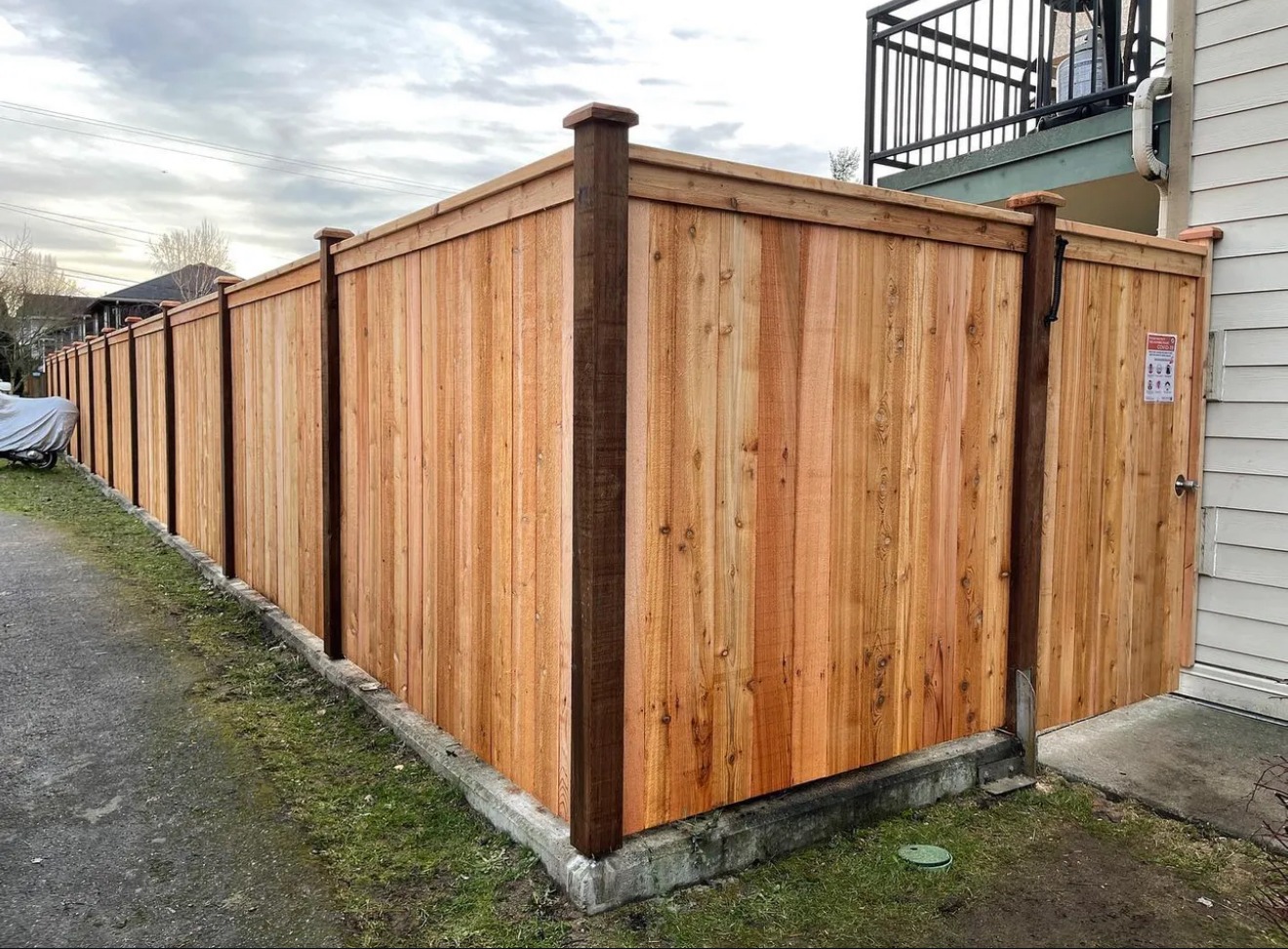
A damaged or deteriorating fence raises a practical question most homeowners prefer to avoid: is this worth fixing, or is it time to replace it entirely? The honest answer depends on the type of fence, the nature and extent of the damage, how old the fence is, and what the homeowner wants the fence to accomplish going forward. For properties in Bellevue, WA, moisture-related deterioration is one of the most common drivers of this decision.
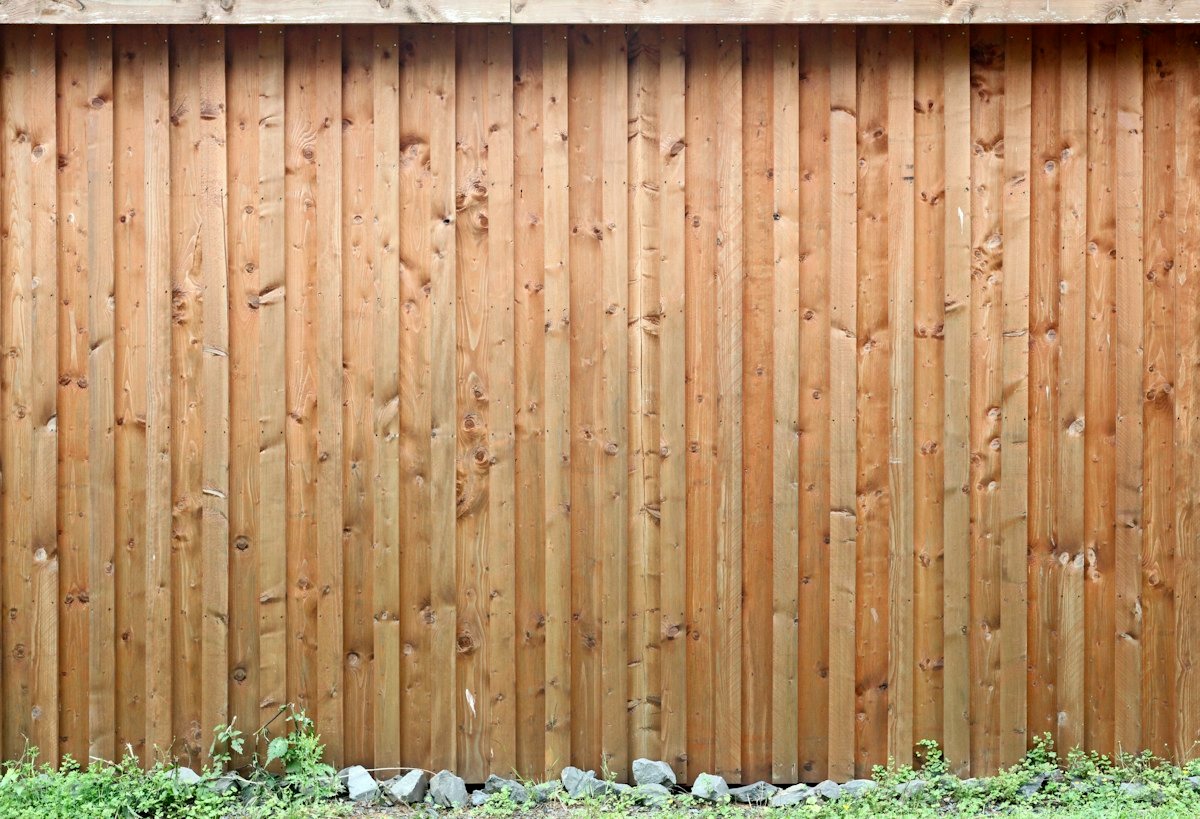
When Repair Makes Sense
Repair is the right call when the damage is isolated, the fence structure is otherwise sound, and the material still has meaningful life left. A wood fence with one or two rotted boards, a leaning post that hasn't compromised the surrounding section, or a gate that no longer latches properly are all repair-appropriate situations. Addressing these problems individually costs less than replacement and restores function without unnecessary expense.
Vinyl fence repairs are also worth pursuing when damage is limited to a specific panel or post. Cracked vinyl sections can be replaced without disturbing the rest of the installation, and the fix is typically clean and long-lasting if the underlying post structure is intact.
When Replacement Makes More Sense
Replacement becomes the better option when damage is widespread, when the fence structure has underlying issues that repair won't address, or when the fence is old enough that repairs will be followed quickly by more repairs. A wood fence with multiple rotted posts, widespread board deterioration, or sections that are leaning significantly has likely passed the point where targeted repairs represent good value.
How Contractors Evaluate the Damage
A contractor assessing a fence for repair vs. replacement typically starts at the posts. Posts are the structural anchor of any fence installation — if they're rotted, compromised at the ground line, or no longer properly set in concrete, the fence has a foundation problem that board or panel replacement won't solve. Patching boards on a fence with failing posts is a short-term fix that often leads to the same conversation in a year or two.
From the posts, the contractor looks at overall board or panel condition, hardware function on gates and latches, and whether any sections have shifted enough to cause alignment problems. This evaluation gives a clearer picture of what a repair would actually cost vs. what a new fence would cost — including the realistic expectation of how long each solution holds up.
The Role of Fence Age
Age matters because older fences are often already showing signs of wear beyond the obvious damage. A wood fence that's been in place for 20 years may have a rotted board that's the presenting problem, but inspection often reveals that posts are soft at the base, boards elsewhere have surface cracking, and the overall structure has lost integrity. In those cases, repair cost relative to remaining lifespan often makes replacement the more economical long-term choice.
Homeowners dealing with this question can benefit from getting a professional assessment of the fence's actual condition before deciding. The fence repair evaluation process gives a clearer picture of whether targeted repairs will hold or whether a larger issue is developing beneath the visible damage.
Matching Materials When Repairing
One practical challenge with repair rather than replacement is matching the existing material. Wood fence boards are relatively easy to match in standard species like cedar or pressure-treated pine, though weathered wood may not blend seamlessly with new boards until a season or two of weathering occurs. Staining or painting the repaired section to match can help.
Optima Fence & Deck handles both fence repair and full replacement for homeowners throughout Bellevue and King County. Getting a professional look at the current condition often clarifies which direction makes the most practical and financial sense for the specific property.
FAQ
How do I know if a fence post needs to be replaced?
Press firmly on the post at the ground line — if it flexes or feels soft, the wood has rotted at the base even if it looks intact above ground. A post that rocks or leans when pushed is another clear indicator. Posts that are solid and firmly set but supporting damaged boards above are candidates for targeted board repair rather than full post replacement.
Can a leaning fence section be straightened and reinforced without replacing it?
In some cases, yes. A post that has shifted but hasn't rotted can be reset with fresh concrete and braced while it cures. The success of this approach depends on the extent of the lean, the condition of the post material, and whether the shift has distorted the surrounding panels or boards significantly.
Does fence repair require a permit in Bellevue?
Minor repairs — replacing individual boards or a gate — typically don't require a permit. Replacing posts or making structural changes that alter the fence's height or footprint may trigger permit requirements depending on the scope. A contractor familiar with Bellevue's fence codes can advise based on the specific repair.
What's the risk of patching a fence that really needs replacement?
The main risk is compounding cost over time. A fence with structural issues that receives surface-level repairs will typically continue to deteriorate, and each round of repairs adds cost without addressing the root problem. In some cases, the total spent on multiple rounds of repair exceeds what a replacement would have cost at the outset.