
Mining
Autonomous Mining Fleets Are Creating the Next Generation of Intelligent Mining Operations
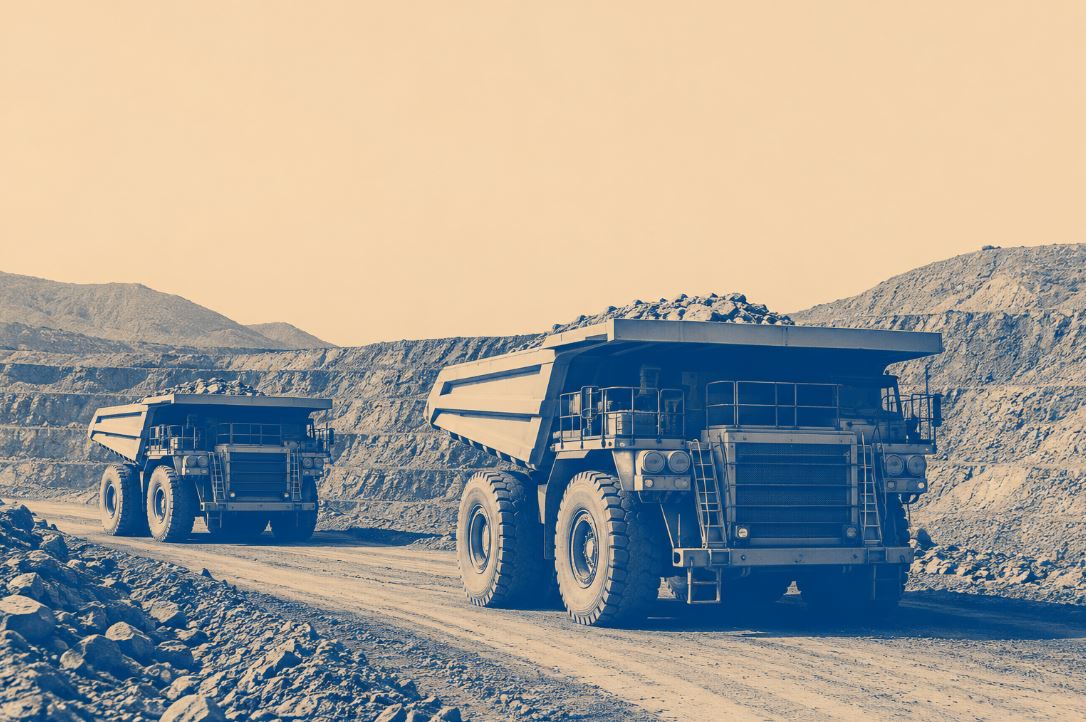
Carson City, Nevada / 500NewsWire / July 14, 2026 / The mining industry is entering a new era of innovation as autonomous mining fleets become an increasingly important part of modern resource extraction. From self-driving haul trucks to automated drilling equipment and intelligent support vehicles, mining companies are investing in technologies that improve safety, increase productivity, and help operations run more efficiently.
As global demand for critical minerals continues to grow, mining businesses are under pressure to produce more while reducing operational risks and environmental impact. Autonomous fleet technology is emerging as one of the industry's most significant developments, offering a smarter approach to mining that combines artificial intelligence, advanced sensors, and real-time data analysis.
Autonomous Equipment Is Changing Daily Mining Operations
Traditional mining operations rely heavily on operators working long shifts in demanding environments. Today, many companies are introducing autonomous vehicles that can perform repetitive tasks with greater consistency and precision.
Self-driving haul trucks transport ore across mining sites using GPS, radar, cameras, and onboard sensors to safely navigate predefined routes. Automated drilling systems can complete highly accurate drilling patterns with minimal human intervention, while remotely operated loaders and support equipment help reduce worker exposure to hazardous areas.
These intelligent systems operate continuously, allowing mines to maintain production schedules while improving operational efficiency.
Improving Workplace Safety Through Automation
Safety remains one of the mining industry's highest priorities. Mining sites often involve steep terrain, heavy machinery, dust, extreme temperatures, and other challenging conditions that can increase operational risks.
Autonomous mining fleets are helping reduce these risks by limiting the need for workers to operate equipment in potentially dangerous environments. Instead of sitting inside heavy machinery, operators can supervise multiple vehicles from centralized control rooms equipped with real-time monitoring systems.
Advanced collision avoidance technology, obstacle detection, and predictive route planning also help minimize the likelihood of accidents. While human oversight remains essential, automation provides an additional layer of operational safety that supports both employees and equipment.
Artificial Intelligence Is Driving Smarter Decisions
Artificial intelligence is becoming the foundation of modern autonomous mining operations. AI systems continuously analyze data collected from vehicles, sensors, weather conditions, production schedules, and equipment performance.
This information allows autonomous fleets to adjust routes, optimize fuel consumption, improve equipment utilization, and respond quickly to changing site conditions. Machine learning algorithms also help identify maintenance needs before mechanical failures occur, reducing costly downtime and extending equipment life.
By transforming large volumes of operational data into actionable insights, AI enables mining companies to make faster and more informed decisions.
Sustainability Is Becoming Part of Fleet Innovation
Autonomous mining technology is also supporting sustainability goals across the industry. Optimized vehicle routing reduces unnecessary travel, lowering fuel consumption and greenhouse gas emissions. Efficient drilling and material handling help minimize energy use while improving resource recovery.
Many mining companies are also exploring autonomous electric and hybrid vehicles that align with long-term carbon reduction strategies. Combined with renewable energy initiatives and digital mine management systems, these technologies are helping create more environmentally responsible mining operations.
As sustainability becomes an increasingly important priority for investors, regulators, and local communities, intelligent mining fleets are expected to play a valuable role in reducing environmental impact.
The Future of Intelligent Mining
Industry analysts expect autonomous mining fleets to become more common over the next decade as technology continues to mature and mining operations expand their digital capabilities. Future systems may include fully connected equipment networks, real-time fleet coordination powered by artificial intelligence, drone-assisted site monitoring, and predictive production planning.
Rather than replacing skilled workers, automation is changing how mining professionals contribute to daily operations. Employees are increasingly moving into roles involving technology management, data analysis, equipment supervision, and system optimization.
The mining sector has always evolved alongside innovation, and autonomous fleets represent the next major step in that journey. By combining automation, artificial intelligence, and sustainable operating practices, mining companies are building safer, smarter, and more productive operations. As demand for essential minerals continues to rise, intelligent mining fleets are set to become a defining feature of the industry's future, supporting long-term growth while reshaping how modern mines operate around the world.