
Automotive
5 Reasons a Roof Rack Is the Ultimate Upgrade for a Capable Jimny Build
The Suzuki Jimny has built a reputation for doing a lot in a small package. Its compact size keeps it comfortable on narrow trails, and its off-road hardware lets it handle terrain that trips up much bigger vehicles.
But that small size creates an obvious problem once you start prepping it for longer adventures. There's only so much room inside for recovery equipment, camping supplies, tools, food, and personal belongings.
A roof rack helps fix that without changing what the Jimny is. Rather than swapping it for a larger vehicle to gain cargo space, owners can make more of the space they already have.
So here are five reasons a roof rack makes such a smart addition to a capable Jimny build.
1. Expand Your Jimny's Cargo Carrying Capacity
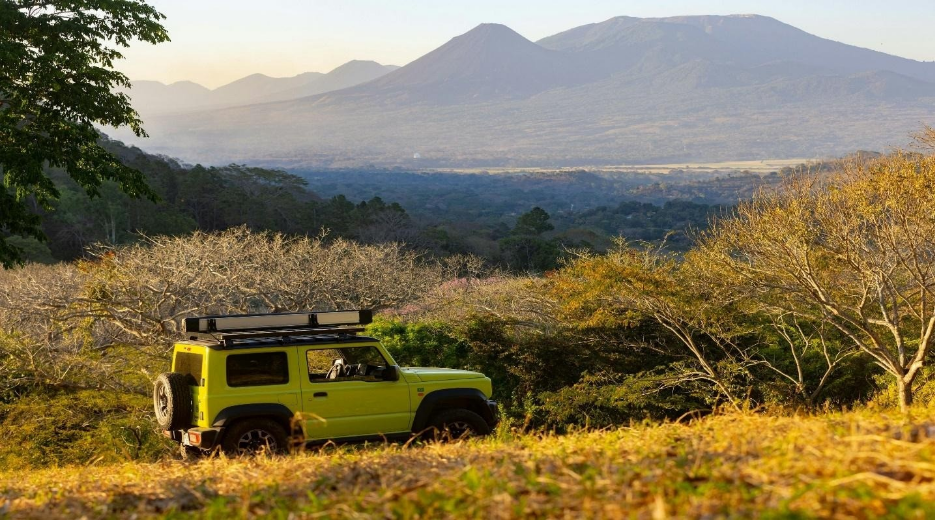
On a long trip, a compact 4x4 usually runs out of storage before it runs out of off-road ability. A Suzuki Jimny roof rack provides another spot for bulky items that would otherwise hog space inside the cabin.
Recovery boards, camping chairs, storage boxes, spare equipment, and other larger items can ride up top when it makes sense. That frees up the interior for passengers and the smaller gear you want close at hand.
The extra capacity really shines when you're getting ready for a several-day trip. Instead of squeezing everything in around passengers, you can split your equipment between the cabin and the roof.
2. Transport Camping Equipment More Easily
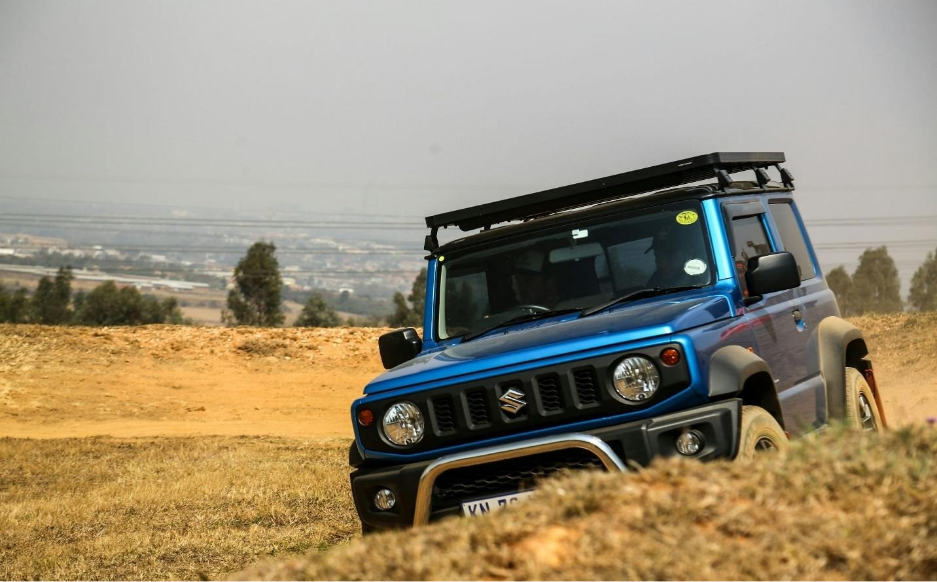
Camping is where extra cargo space really earns its keep. Tents, sleeping gear, folding chairs, cooking equipment, storage containers, and outdoor accessories eat up a surprising amount of room.
A roof rack lets some of those bigger items ride outside the cabin. That works well for drivers who want longer trips without giving up passenger space.
It also lets you pack your camping gear based on how soon you'll need it. The stuff you won't touch until you reach the campsite can stay stowed on the roof, while the smaller essentials stay inside.
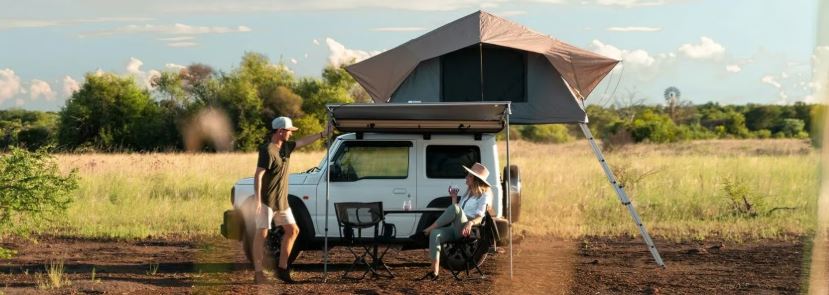
Some Jimny builds even put a rooftop tent or other specialized camping gear up there. Setups like that call for close attention to weight limits, mounting requirements, vehicle handling, and the manufacturer's recommendations.
3. Keep the Interior Organized and Comfortable
It becomes very frustrating when the car is full on a long trip. All bags, jackets, food, tools, and outdoor equipment end up wherever they fit; passengers lose space, and valuable items go missing.
Shift some of that cargo to the roof, and the inside layout gets a lot cleaner. Personal items remain in the cabin, and large outdoor gear is stored high up and out of the way.
This is a good thing to have when traveling with others. Rather than getting into the tussle of recovery gear or camping gear, passengers have their own room to store their bags.
Going in and out is also a breeze. Instead of stacking the cabin floor-to-ceiling, you can keep the space near the doors and seats reasonably clear.
4. Make Room for Essential Trail Gear
Overland travel calls for gear you rarely touch during everyday driving. Recovery straps, traction boards, tools, compressors, spare parts, first-aid supplies, and the rest can fill a small cargo area fast.
Cram all of that inside the cabin, and the vehicle starts to feel tight, plus it gets harder to grab what you need. A roof rack gives you somewhere else to stash the bigger items.
It can also make the interior more usable. You can keep the recovery gear you reach for often in an easy spot instead of burying it under luggage.
That said, good organization matters. Anything on the roof needs to be tied down tightly so it can't shift or become a hazard over rough ground. Waterproof storage boxes or properly secured bags also shield your gear from weather and dust.
5. Create More Space for Extended Trips
A short weekend hike requires much less equipment than an adventure run. After a few days of road trips, however, the list of gear gets long.
There is a limited space inside for clothing, food, water, cooking equipment, tools, recovery equipment, and personal items. When smart packing doesn't cut it, a roof rack is another option.
That additional space makes longer journeys more manageable without sacrificing the compact footprint. If you're looking to carry more gear, you don't necessarily need a larger SUV or pickup.
There are, of course, trade-offs. Weight on the roof affects handling, wind resistance, fuel consumption, and the center of gravity. And those effects are more apparent as the load increases.
Conclusion
The roof rack is a great addition to a Jimny, as it is one of the most apparent practical drawbacks of the compact 4x4 without altering the qualities that make it so great in the first place. It provides more cargo space, space for off-road gear, helps maintain a more comfortable cabin, and provides an additional method for transporting camping equipment on longer trips.
The key is to use the rack as part of the vehicle configuration, not as a place to store as much as possible. Be mindful of load limits, secure all items properly, and avoid excess weight on the roof. With the extra space used judiciously, that little bit of room can make a small Jimny a very useful vehicle for long trips without losing its ability to do tight trails and tough terrain.