
Culture
Smart Agriculture Improves Food Production as Farmers Embrace Digital Innovation
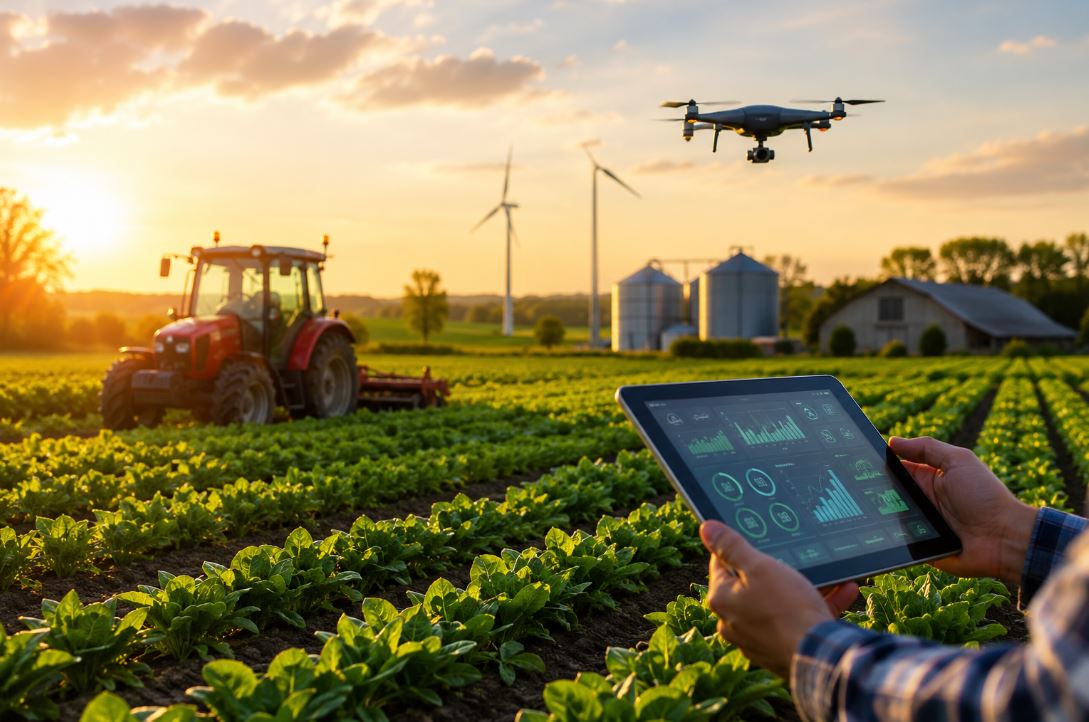
Des Moines, Iowa / 500NewsWire / August 1, 2026 / Smart agriculture is transforming the way food is produced around the world. Farmers are increasingly adopting advanced technologies to improve crop yields, reduce waste, and respond to growing food demand. From artificial intelligence (AI) and drones to smart irrigation systems and precision farming, modern agriculture is helping producers make better decisions while protecting natural resources.
As climate change, water shortages, and rising production costs continue to challenge the agricultural sector, governments, research institutions, and agribusiness companies are investing heavily in smart farming solutions. Experts believe these technologies will play a major role in strengthening global food security over the coming decades.
Smart Farming Becomes a Key Growth Driver
Agriculture has traditionally relied on experience and seasonal patterns, but digital technology is changing that approach. Farmers now have access to real-time information about soil conditions, weather forecasts, crop health, and water requirements.
Using sensors placed across fields, growers can monitor moisture levels, nutrient content, and temperature without constantly inspecting crops manually. This allows them to make faster and more accurate decisions that improve productivity while lowering operating costs.
Many agricultural businesses are also using satellite imagery and AI-powered software to detect plant diseases before they spread, reducing crop losses and minimizing the need for excessive pesticide use.
Precision Agriculture Increases Efficiency
Precision agriculture is becoming one of the most valuable tools in modern farming. GPS-guided tractors, automated planting equipment, and variable-rate fertilizer systems allow farmers to apply resources only where they are needed.
Instead of treating an entire field equally, technology identifies specific areas that require more water, fertilizer, or pest control. This targeted approach reduces unnecessary expenses while improving overall crop performance.
The result is higher yields, healthier crops, and more sustainable farming practices that benefit both producers and the environment.
Smart Irrigation Helps Save Water
Water management has become one of the biggest concerns in agriculture, particularly in regions experiencing prolonged droughts and unpredictable rainfall.
Smart irrigation systems use connected sensors and weather data to determine exactly when crops need watering. Automated irrigation delivers the right amount of water at the right time, preventing both overwatering and underwatering.
This technology not only conserves water but also lowers energy consumption and supports healthier plant growth. Many farming communities are now adopting these systems as part of broader sustainability strategies.
Drones and Robotics Improve Field Monitoring
Drones have become valuable tools for monitoring large agricultural fields quickly and accurately. High-resolution aerial images help farmers identify crop stress, weed growth, pest infestations, and irrigation problems that may not be visible from the ground.
Agricultural robots are also performing tasks such as planting, harvesting, fruit picking, and weed removal. These automated machines help address labor shortages while increasing operational efficiency during critical farming seasons.
As robotics technology becomes more affordable, experts expect adoption to expand across farms of different sizes.
Artificial Intelligence Supports Better Decisions
Artificial intelligence is becoming an important decision-making tool in agriculture. AI systems analyze large amounts of farming data to predict weather risks, estimate harvest timing, recommend fertilizer application, and detect crop diseases.
Machine learning models continue improving as they process more information, giving farmers increasingly accurate recommendations throughout the growing season.
These insights help reduce uncertainty while supporting more profitable farming operations.
Governments Support Agricultural Innovation
Many governments are introducing funding programs, research partnerships, and digital agriculture initiatives to encourage technology adoption among farmers.
Agricultural universities and private technology companies are also working together to develop affordable solutions for small and medium-sized farms. Training programs are helping farmers understand how digital tools can improve productivity without replacing traditional farming knowledge.
International organizations continue promoting smart agriculture as an essential strategy for improving food security while reducing environmental impacts.
Future of Food Production Looks More Sustainable
The future of agriculture is expected to become increasingly connected through artificial intelligence, Internet of Things (IoT) devices, autonomous machinery, and data-driven farming practices. These technologies are enabling farmers to produce more food while using fewer natural resources.
As global food demand continues to rise alongside population growth, smart agriculture offers practical solutions for increasing production, improving efficiency, and building stronger food systems. By combining innovation with sustainable farming methods, the agricultural industry is preparing to meet future challenges while ensuring reliable food supplies for communities worldwide.